Cat Red Flags: Behavior Changes That Need Attention
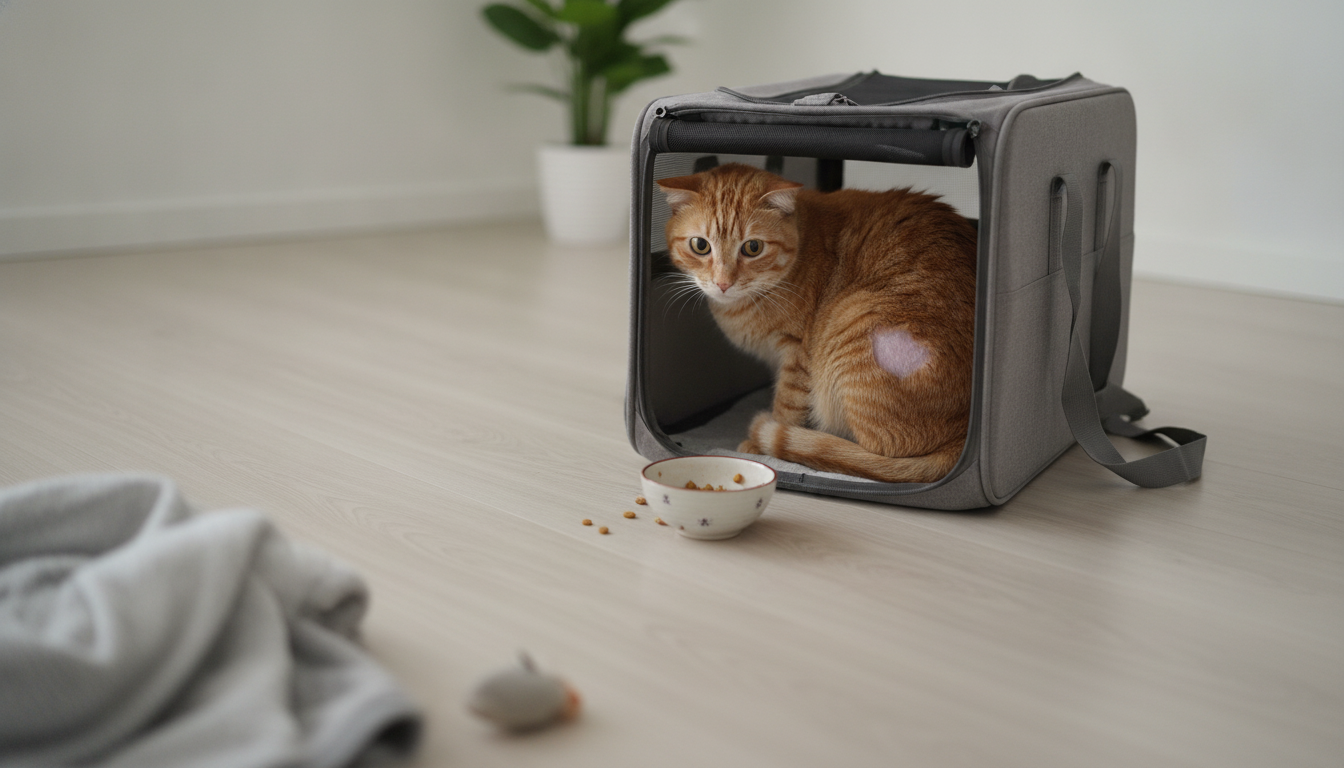
What is a red flag behavior in cats?
A red flag behavior in cats is any sudden, intense, or persistent change that can signal pain, illness, high stress, or a safety risk. Cats are skilled at hiding discomfort, so behavior shifts often show up before obvious physical symptoms. While some quirks are normal, “red flags” are the patterns that are new for your cat, getting worse, or interfering with eating, drinking, using the litter box, or social behavior.
Common red flag behaviors to watch for
Changes in litter box habits
Urinating outside the litter box, straining, crying while urinating, blood-tinged urine, or unusually frequent trips can be urgent—especially for male cats. Sudden constipation or diarrhea is also a concern when it lasts more than a day or comes with lethargy.
Appetite or drinking changes
Skipping meals, eating much less, or sudden increased thirst can point to dental pain, nausea, kidney issues, diabetes, or other conditions. A healthy cat typically doesn’t stop eating for “no reason.”
Hiding, withdrawal, or unusual clinginess
Hiding more than usual, avoiding touch, or acting “not themselves” can be a quiet signal of discomfort or fear. On the flip side, a typically independent cat that becomes unusually clingy may also be unwell or anxious.
Aggression or sudden sensitivity
Hissing, swatting, biting, or growling out of character may happen when a cat is in pain or feels threatened. If your cat becomes reactive to petting or is sore in one area, consider medical causes first.
Overgrooming or coat neglect
Bald spots, excessive licking, scabs, or a greasy, unkempt coat can indicate allergies, parasites, stress, arthritis, or illness. Cats that stop grooming often aren’t feeling well.
What to do if you notice red flag behavior
Start by noting what changed, when it started, and any possible triggers (new pets, visitors, moves, diet changes). If there’s trouble urinating, repeated vomiting, collapse, or severe lethargy, seek emergency care. For other persistent changes, schedule a vet visit and bring your notes. For a deeper breakdown of warning signs and next steps, visit the main guide on red flag behavior in cats.
FAQ
Why is my cat suddenly hiding more than usual?
Sudden hiding is often linked to stress, pain, or illness, especially if it comes with reduced appetite or litter box changes. If it lasts longer than a day or two or worsens, a vet check is a smart next step.












Leave a comment